
Growing community green spaces:
Reimagining a vacant lot
RE-NATU-RING Principles Applied
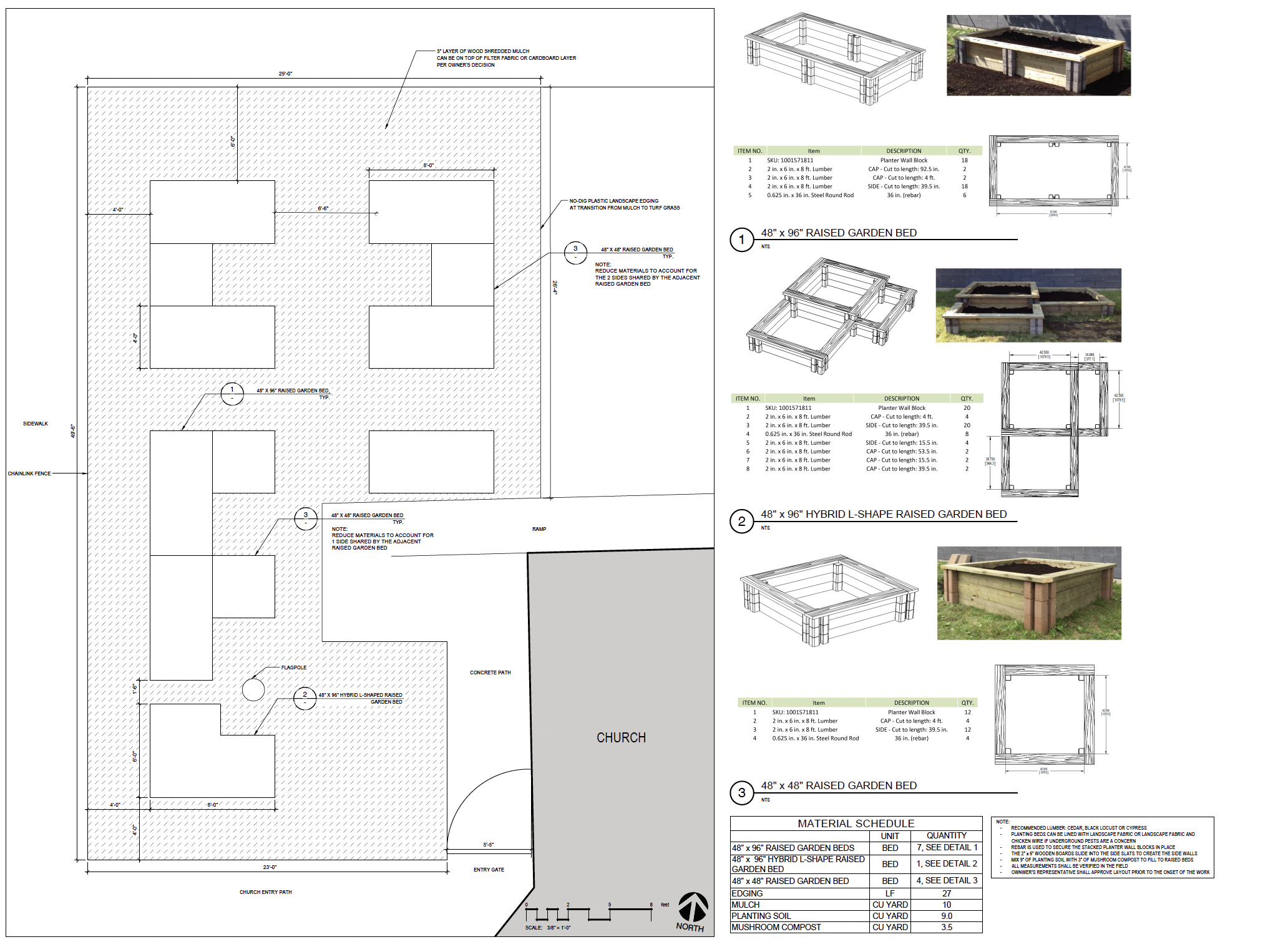
Vacant Lot Revitalization
-
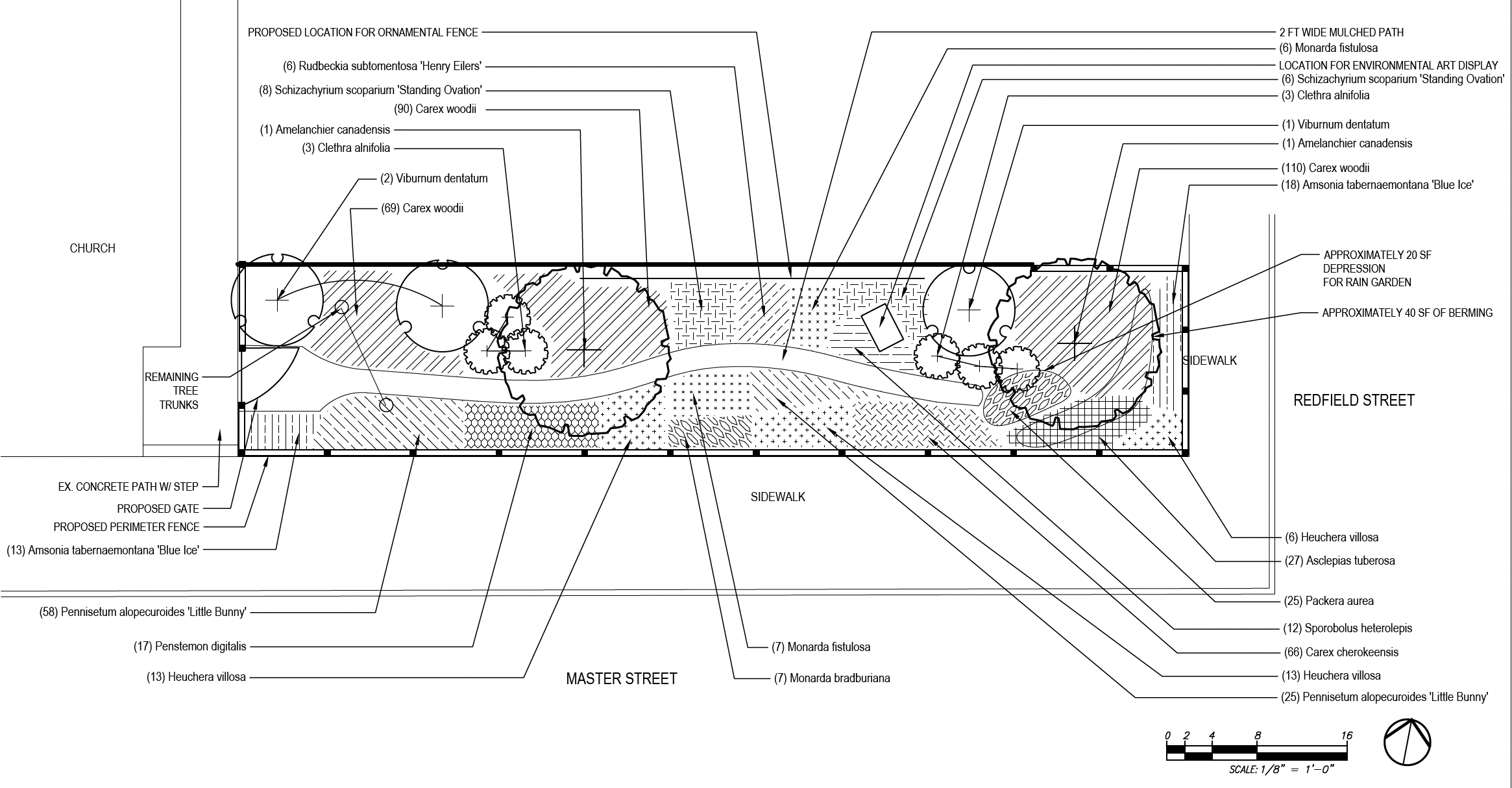
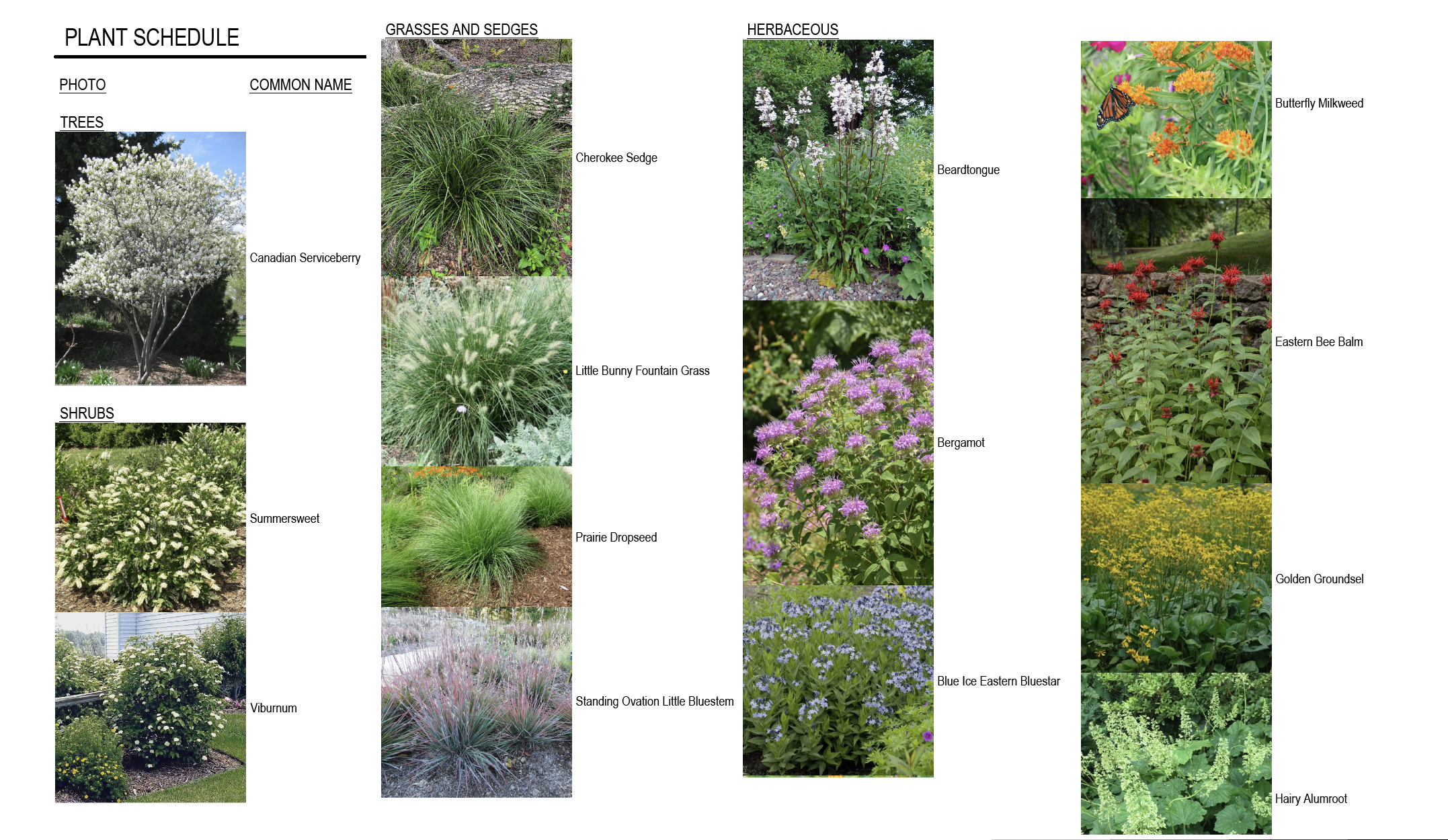
The transformation replaces an underused urban lot with trees and planting that help cool the neighborhood, absorb stormwater, and create a more resilient urban landscape.
Climate resilient design aspects are:
Increased tree canopy
Reduced urban heat
More permeable landscape
Stormwater infiltration
More resilient neighborhood open space
Cooling in a dense urban environment

-
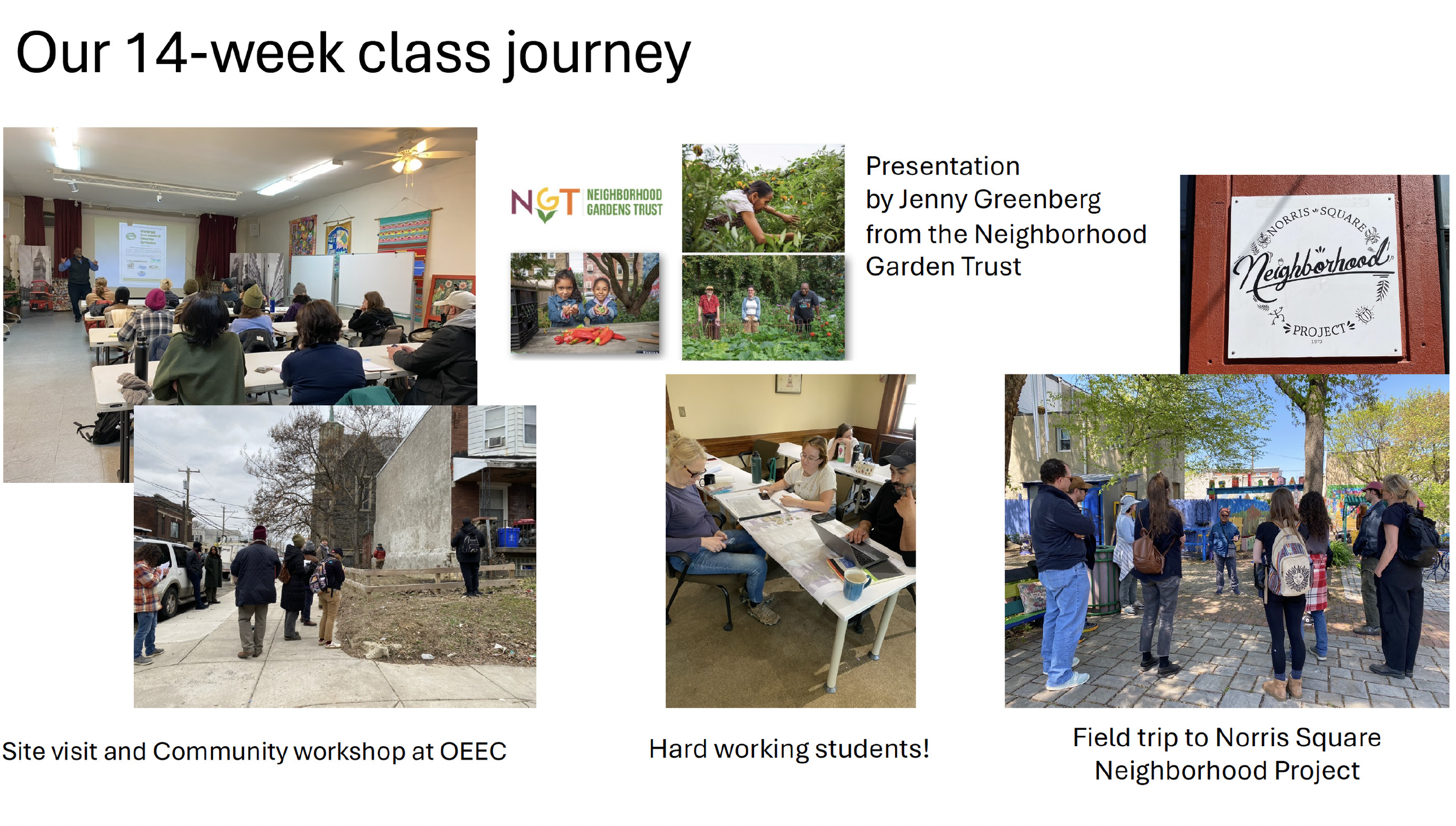
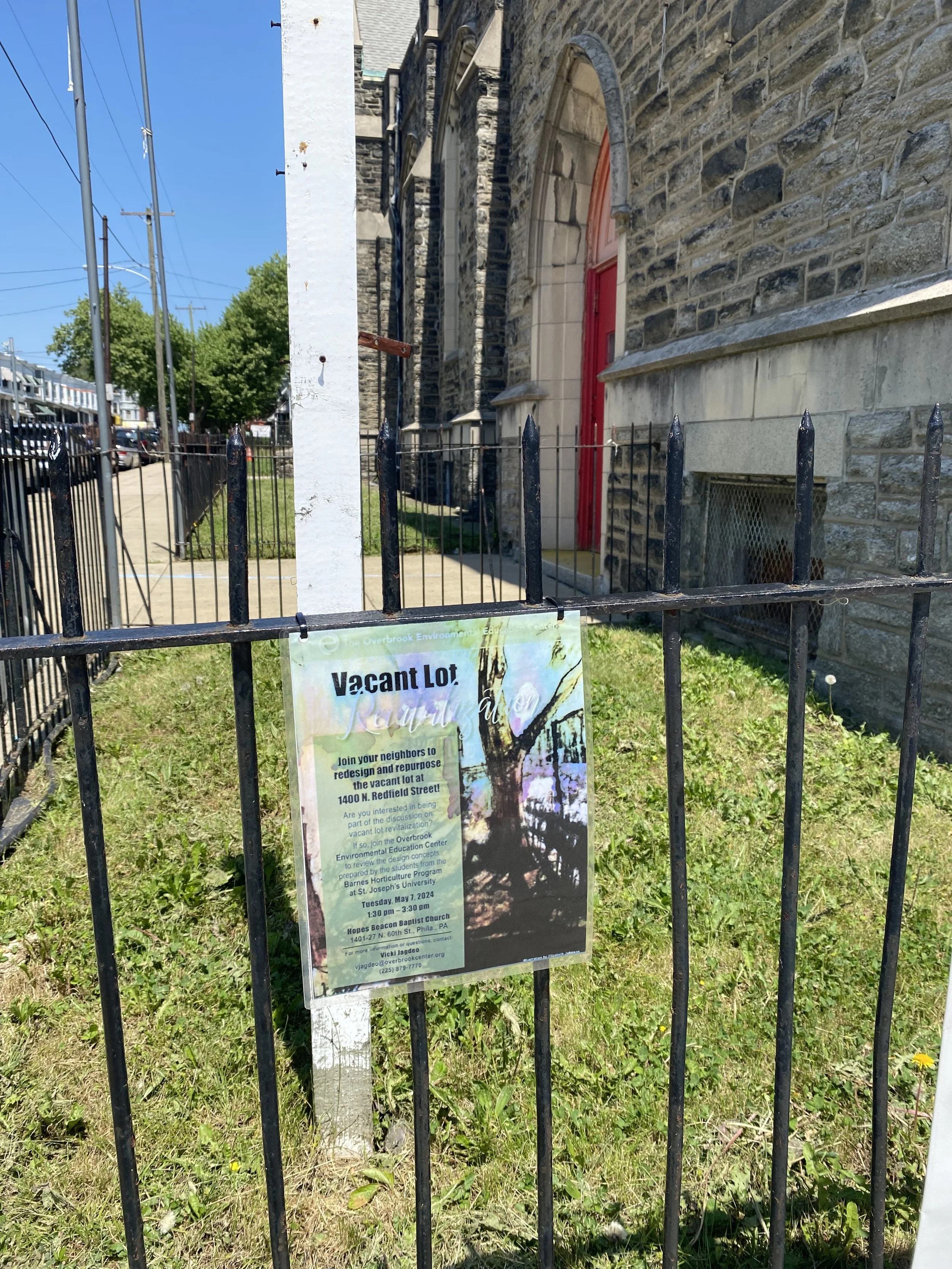
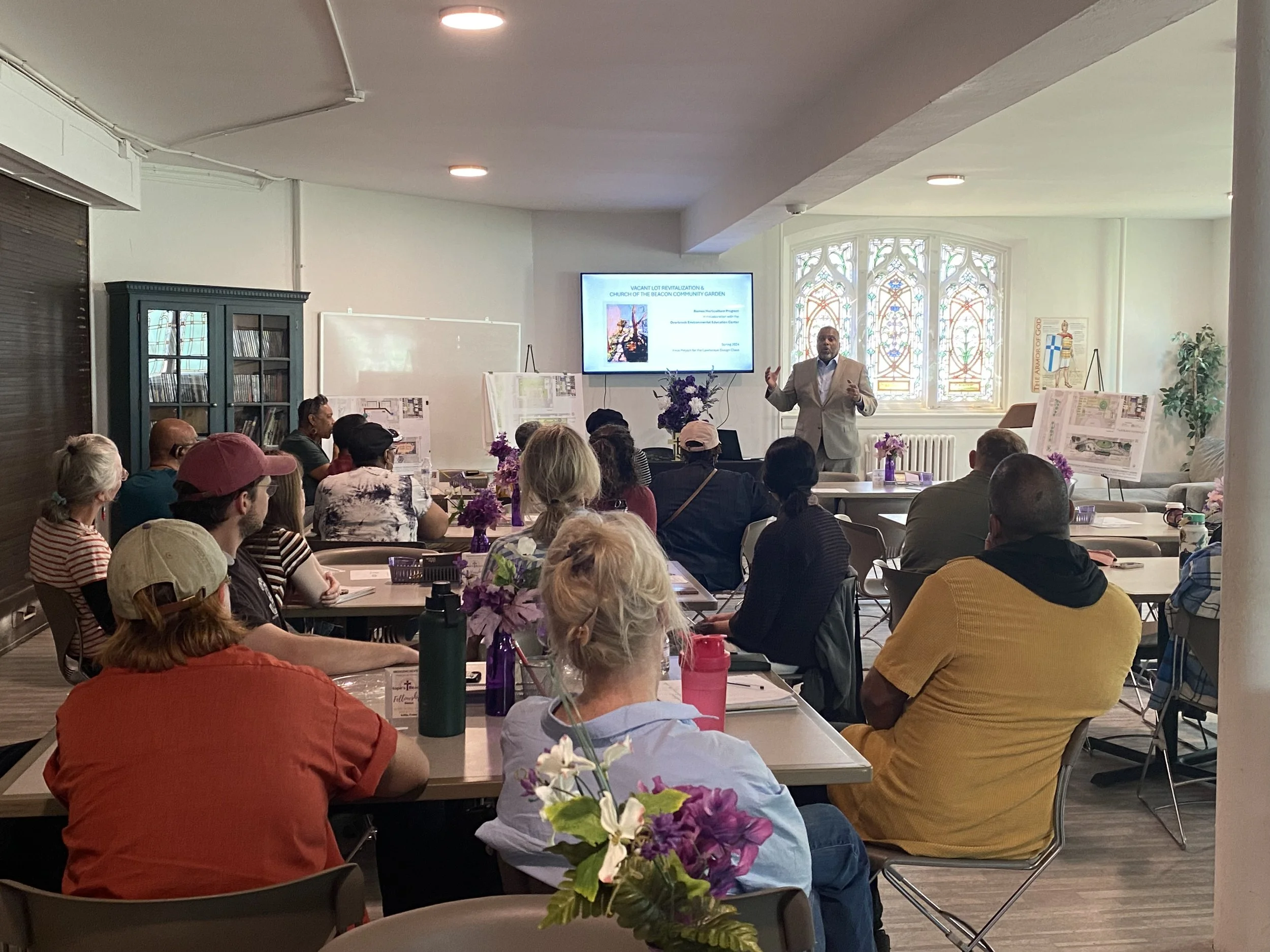
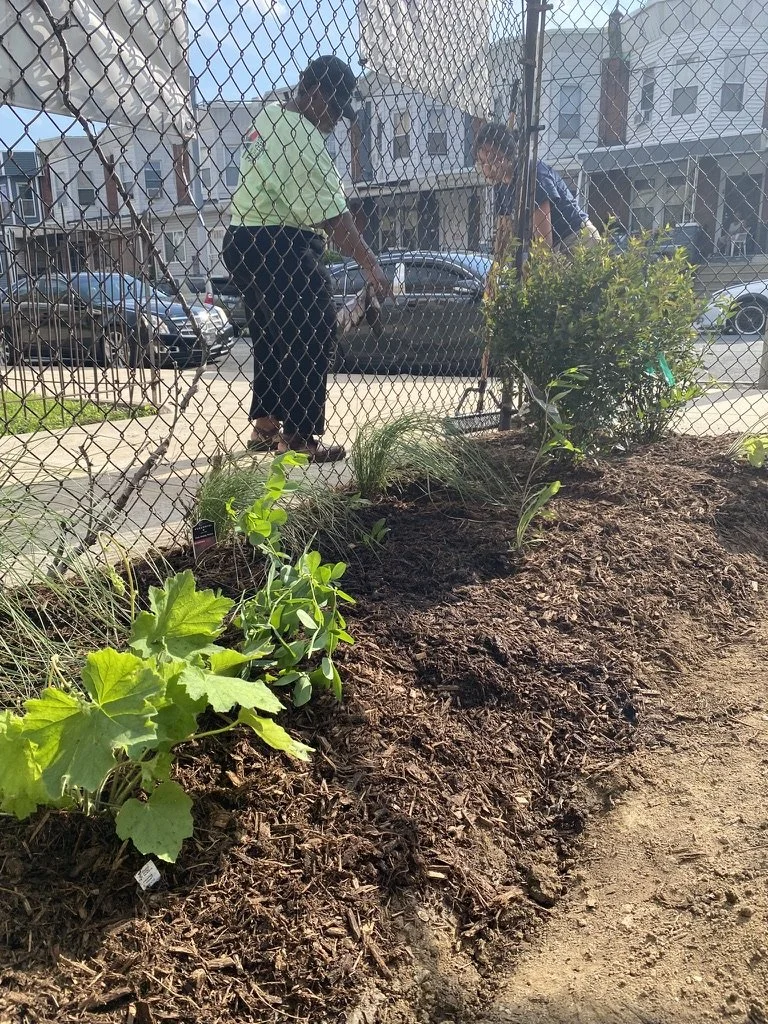
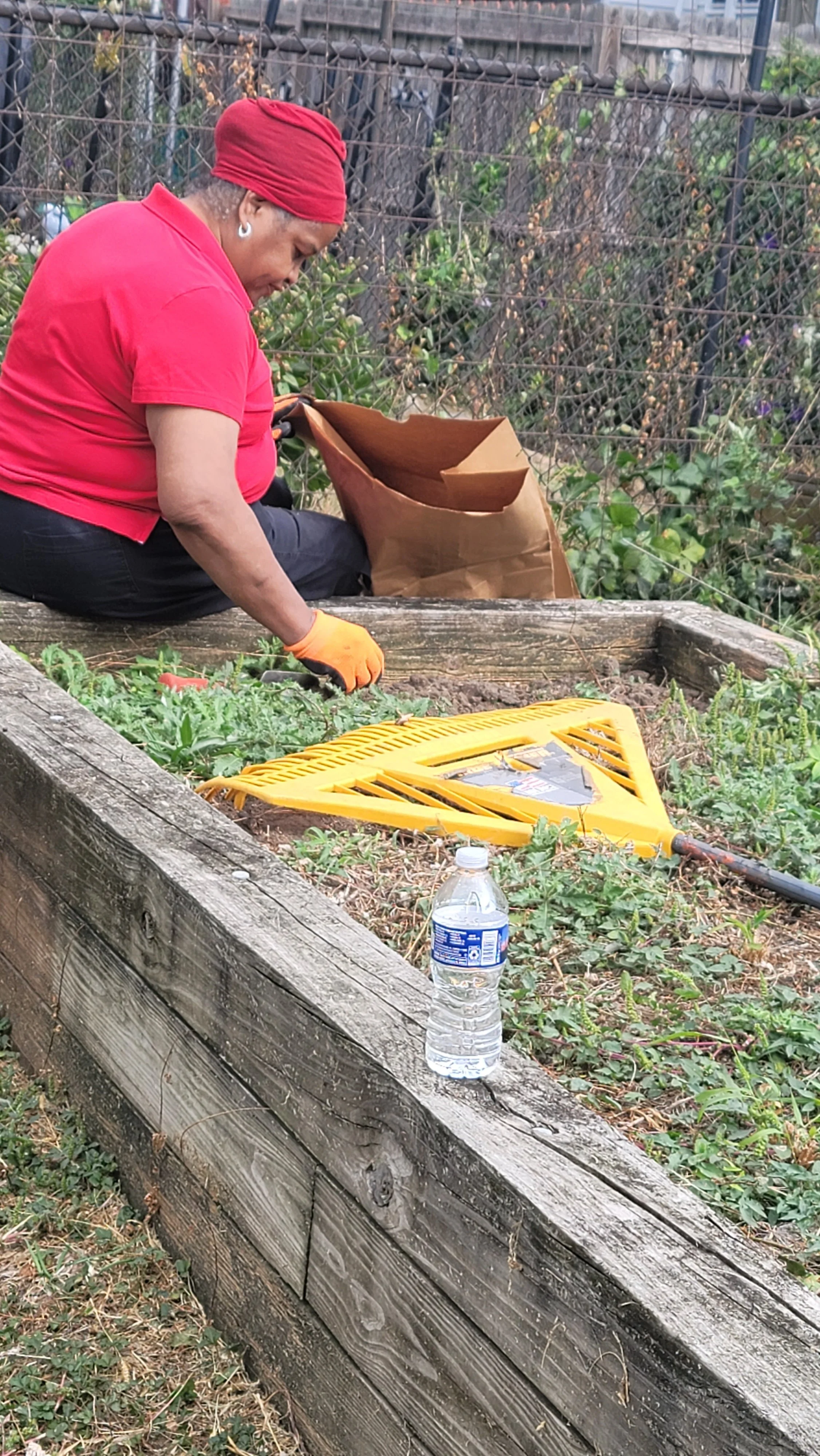
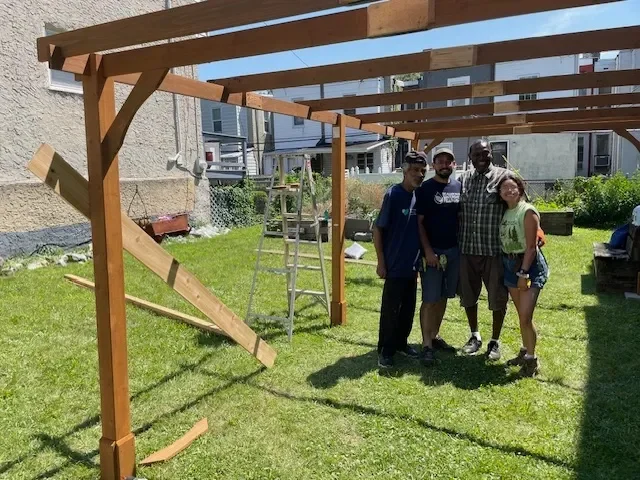
This project begins with people. The community workshops, listening sessions, and neighborhood engagement are what transformed an unused parcel into a shared vision. The design is as much about social infrastructure as physical infrastructure.

Article on the impact of green spaces on crime reduction in Philadelphia:
‘Near this city's new green spaces, a dramatic reduction in crime.’ by Peter Yeung
-
An overlooked parcel is transformed into a distinctive neighborhood place that reflects local identity and invites people to gather, play, and connect.
Elements that create a sense of space are:
Creates a recognizable destination
Gives identity to an overlooked parcel
Reflects neighborhood aspirations
Enhances the character of the surrounding streetscape

Project Partners:
Carroll Park Community Members
Hope’s Beacon Church
Overbrook Environmental Education Center
Councilman Jones Office
Saint Joseph’s University - Barnes Horticulture Program
Audubon