
What Section 106 Helps Us See in a Landscape
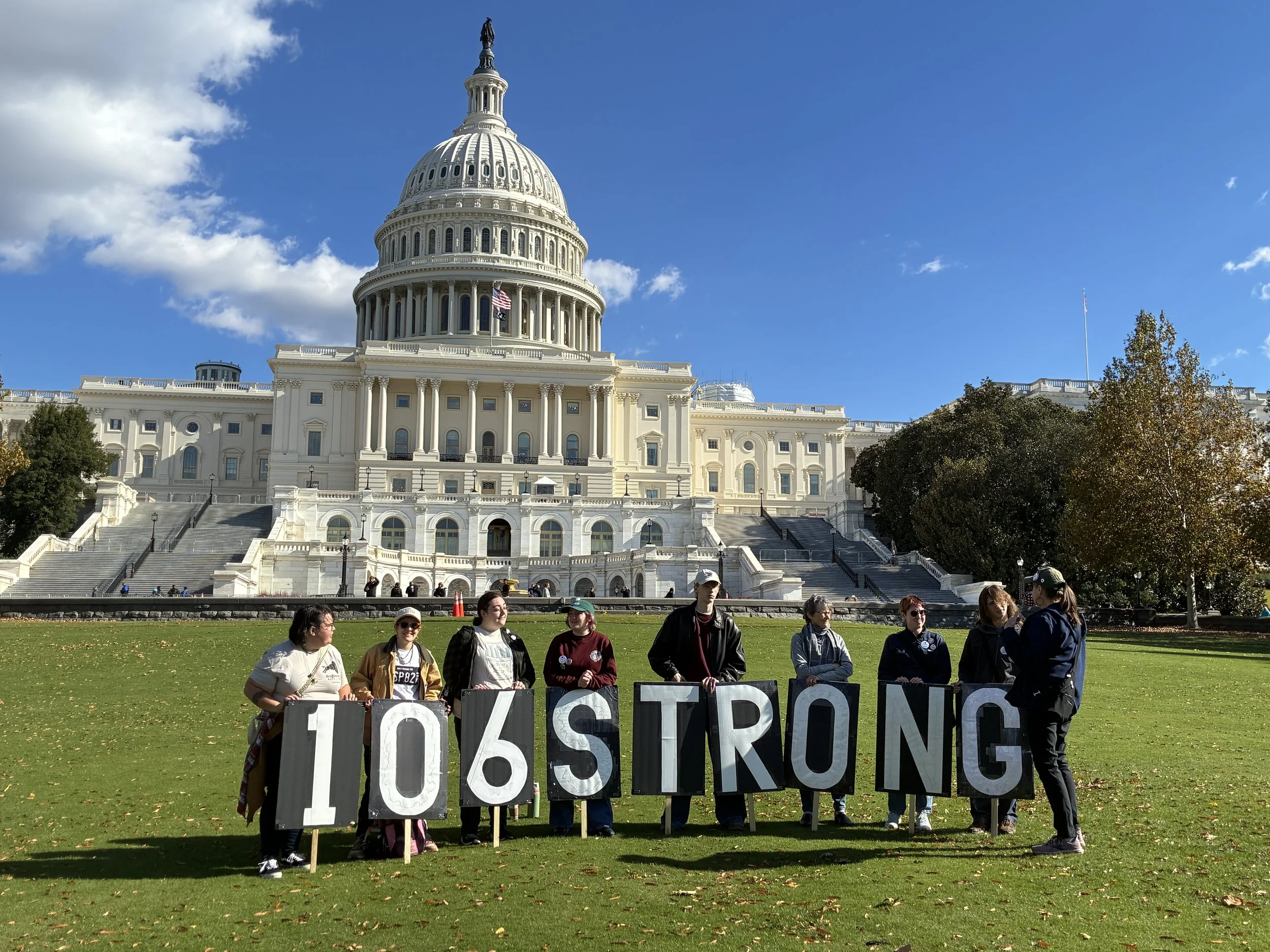
By Karen SteenhoudtOn November 9, 2026, I joined Tribal leaders, preservation advocates, archaeologists, and fellow landscape architects on the West Lawn of the U.S. Capitol for the 106 Strong Rally. Cultural Heritage Partners reported that about 800 people attended and that representatives of more than 100 Tribal Nations took part in the rally and meetings on Capitol Hill. We gathered to defend Section 106 of the National Historic Preservation Act and urge Congress to vote no on the Bipartisan American Affordability and Jobs Act (BAAJA) as written.
As a landscape architect, I start by learning how a place works and what it means to the people who know it. A site plan can show where a building will sit or where a transmission line will run. It takes listening to understand what a project might disturb or how it might change the setting that gives a historic place its meaning. Those conversations matter most while there is still time to change the design.
Section 106 requires federal agencies to consider how projects they carry out, fund, or approve may affect historic properties. It provides for consultation with Tribal Nations and preservation officials and gives the public a way to weigh in before agencies make their decisions.
The African Burial Ground in Lower Manhattan shows how public participation can change a project. In 1991, work on a federal office building uncovered a colonial-era burial ground used by enslaved and free Africans. Preservationist Peggy King Jorde helped bring members of the descendant community and African American archaeologists into the effort to protect the site and ensure the remains were treated with dignity. Section 106 gave community members a formal way to bring their concerns directly to federal officials. The building footprint was redesigned to leave more of the burial ground undisturbed, and part of the site was preserved for a memorial.
Minidoka National Historic Site in Idaho shows why the setting of a historic place matters. During World War II, the United States incarcerated more than 13,000 Japanese Americans at Minidoka. When the Lava Ridge Wind Project was proposed nearby, survivors and descendants raised concerns about how turbines would alter the remote landscape that helps visitors understand the camp’s isolation. Through Section 106, those concerns became part of the federal review, and the Advisory Council on Historic Preservation issued formal recommendations to the Bureau of Land Management.
The revised BAAJA would narrow which projects and harms receive review. The National Association of Tribal Historic Preservation Officers warns that federal agencies could draw review boundaries and make initial assessments of harm before meaningfully consulting Tribal Nations. A sacred place or cultural landscape outside that boundary could be left out of the review altogether.
The bill would also limit courts’ ability to halt work when an agency violates Section 106. A court could send an inadequate review back to the agency for correction while construction continues. By the time the agency completes the review, the place it was meant to help protect could be gone.
On November 9, the Senate voted 73-25 to advance the package in a procedural vote. Congress can improve energy permitting while preserving early Tribal consultation, public participation, and effective court remedies. I’m asking my senators and representative to vote no on BAAJA as written and remove the provisions that weaken Section 106.
Thank you to Dan Hartinger of The Wilderness Society for leading our group on visits to Senate offices, where we urged senators to vote no and protect the Section 106 review process.